
Translation services for UK Public Health Reports are essential for ensuring that critical health information is accessible and culturally relevant to diverse linguistic groups within the UK. These services must not only accurately translate complex medical content but also adapt it to respect cultural nuances and norms. The integration of advanced translation technologies, coupled with human expertise in both language and culture, facilitates the dissemination of public health information swiftly and effectively. This integration is crucial for addressing health disparities, supporting informed decision-making, and ensuring equitable access to vital public health data across all communities. Furthermore, these services must adhere to strict legal standards and ethical guidelines, particularly regarding the confidential handling of sensitive personal health information, to maintain trust and integrity in public health communications.
In the realm of public health, the clarity and accessibility of information are paramount, particularly within the diverse linguistic landscape of the United Kingdom. This article delves into the pivotal role that translation services play in ensuring UK Public Health Reports are effectively communicated to all sectors of society. We will explore the intricacies involved in this process, from understanding the scope and purpose of these reports to the challenges they face when reaching diverse audiences. The importance of linguistic accuracy cannot be overstated, as it directly impacts the quality and reliability of public health information dissemination. We will evaluate the effectiveness of translation services specifically tailored for health-related content, consider key translator competencies, and highlight case studies where translation has made a significant impact. Additionally, we will discuss technological advancements that aid in this endeavor, the cultural nuances that must be navigated, and the ethical considerations that guide the translation process. Further, we will assess multilingual communication strategies, the collaboration between translation services and public health authorities, and the ongoing training and development for translators in this field. As we look to the future, it is clear that translation services for UK Public Health Reports are not just a supporting actor but a critical component of effective public health policy and practice.
- The Role of Translation Services in UK Public Health Reporting
- Understanding the Scope and Purpose of UK Public Health Reports
- Challenges in Communicating Public Health Data to Diverse Audiences
- The Importance of Linguistic Accuracy in Public Health Documentation
- Evaluating the Quality of Translation Services for Health-Related Content
- Key Considerations for Translators Working on Public Health Reports
- Case Studies: Effective Translation in UK Public Health Initiatives
- The Impact of Cultural Sensitivity in Translating Public Health Information
- Technological Advancements in Translation Services for Public Health
- Ensuring Compliance and Confidentiality in Public Health Report Translations
The Role of Translation Services in UK Public Health Reporting

UK public health reporting is a critical endeavour that relies on clear and accurate communication to inform policy, guide healthcare practices, and educate the public. In today’s multicultural society, the effectiveness of these reports can be significantly enhanced by the integration of professional translation services. These services play a pivotal role in ensuring that health information is accessible to all communities, irrespective of their preferred or dominant language. The translation of UK Public Health Reports into multiple languages not only broadens the reach of this vital information but also promotes inclusivity and equity within public health initiatives. Translation services for UK Public Health Reports are instrumental in overcoming linguistic barriers that could otherwise impede the dissemination of critical health data, public health campaigns, and preventive measures. By providing precise translations, these services enable healthcare providers and public health officials to effectively engage with diverse populations, thereby supporting a more unified and healthier society. Moreover, the use of skilled linguists who specialize in medical terminology ensures that the nuances of complex health information are accurately conveyed, maintaining the integrity and relevance of the reports across different cultural contexts. This aspect is particularly crucial in a landscape where public health messages must be both timely and comprehensible to all members of the UK population.
Understanding the Scope and Purpose of UK Public Health Reports

UK public health reports serve as critical documents that inform policymakers, healthcare providers, and the general public about the current state of health within communities across the United Kingdom. These reports encompass a wide array of data, including statistics on disease prevalence, health outcomes, and risk factor analysis, which are pivotal for crafting effective health interventions and strategies. The scope of these reports extends beyond mere descriptive accounts; they provide actionable insights based on epidemiological research, surveillance data, and evidence-based recommendations. This comprehensive approach allows stakeholders to make informed decisions that can lead to significant public health improvements.
For instances where the information within UK public health reports is required in languages other than English, translation services play an indispensable role. These services ensure that the nuances and complexities inherent in public health data are accurately conveyed across different linguistic barriers. The use of professional translation services for UK Public Health Reports is crucial when disseminating information to diverse populations, including migrant communities, ethnic minorities, and international collaborators. By bridging language divides, these services enhance the accessibility and inclusivity of public health information, thereby facilitating a more harmonious and informed approach to health care across the UK. This is particularly important in a multicultural society like the UK, where clear communication can significantly impact the effectiveness of public health initiatives.
Challenges in Communicating Public Health Data to Diverse Audiences

In the realm of public health, the effectiveness of reports in influencing policy and shaping public opinion hinges significantly on their accessibility and clarity when communicated to diverse audiences. A notable challenge arises when UK public health data needs to be translated into various languages for different communities, necessitating reliable translation services for UK Public Health Reports. This process is not merely a matter of linguistic accuracy but also entails the cultural adaptation of content to ensure that the nuances and implications of the data are accurately conveyed. The complexity of public health information often includes technical terminology, statistical data, and nuanced recommendations, which can be difficult for non-specialists to comprehend, especially among populations with language barriers or varying levels of health literacy. Therefore, it is crucial that translation services employed are adept at not only translating words but also interpreting the broader context, ensuring that the reports’ intended messages are preserved and effectively communicated across different linguistic and cultural groups. This adaptation is essential for public health initiatives to reach all sectors of the population, promoting health equity and informed decision-making by stakeholders from various backgrounds.
The Importance of Linguistic Accuracy in Public Health Documentation

In the realm of public health, the precision and clarity of reports are paramount, given their critical role in informing policy, guiding healthcare practices, and influencing public opinion. The importance of linguistic accuracy within these documents cannot be overstated; it ensures that the information conveyed is both accurate and effectively communicated to all stakeholders. For instance, UK Public Health Reports often reach a diverse audience, including healthcare professionals, researchers, and policymakers who may not share the same linguistic background. Translation services for UK Public Health Reports play a crucial role in this context by providing precise translations that are faithful to the original content’s intent and meaning. These services help bridge language barriers, making health information accessible across different communities. The use of professional translation services is not merely a matter of linguistic correctness; it is also about maintaining the integrity of data and ensuring that public health interventions are effective and reach those who need them most. By facilitating clear and accurate translations, these services enhance the understanding and implementation of public health strategies, ultimately contributing to better health outcomes for the UK population.
Evaluating the Quality of Translation Services for Health-Related Content

When it comes to public health reporting within the UK, the accuracy and clarity of translated materials are paramount. The quality of translation services for UK Public Health Reports can significantly impact the effectiveness of healthcare communication, particularly in diverse communities where individuals may prefer or require information in languages other than English. These translations must not only convey technical health terms accurately but also consider cultural nuances to ensure that health messages are understood and acted upon by all members of society. The translation process for such critical documents involves a specialized team of linguists, often including subject matter experts in public health. This collaborative approach ensures that the content is not only translated word-for-word but is also contextually appropriate, maintaining the integrity and intent of the original report. Additionally, the use of advanced translation technology, combined with human oversight, helps to streamline the process while minimizing errors. The reliability and consistency of these translations are essential for public health interventions, as they enable healthcare providers to communicate effectively with patients from different linguistic backgrounds, thus promoting equitable access to health information across the UK population. Regular evaluation and feedback mechanisms are crucial to assess the quality of these translation services, ensuring that they meet the high standards required in public health reporting. This ongoing assessment allows for continuous improvement and adaptation to the evolving needs of the population.
Key Considerations for Translators Working on Public Health Reports

When translating UK public health reports, accuracy and cultural sensitivity are paramount to effectively communicate vital information across different linguistic groups. Translators must possess a deep understanding of both the source and target languages as well as the nuances of public health terminology. This ensures that the data and recommendations within these reports maintain their integrity and can be acted upon by diverse communities. The translation services for UK Public Health Reports must go beyond mere linguistic transfer; they should adapt content to reflect cultural contexts, idiomatic expressions, and social norms prevalent in the target audience’s region. Moreover, translators must navigate complex ethical considerations and privacy regulations, particularly with sensitive health data. They must also be adept at utilizing specialized translation software where necessary, while still providing a human touch to interpret findings that may have cultural implications. This multifaceted role demands not only language expertise but also a keen awareness of public health issues, making it a critical task in the broader effort to improve population health outcomes in the UK and beyond.
Case Studies: Effective Translation in UK Public Health Initiatives

The translation of public health reports in the UK is a critical component in ensuring that vital health information reaches diverse populations effectively. As the UK continues to be a culturally rich and diverse society, the necessity for accurate and nuanced translations of public health documents cannot be overstated. High-quality translation services for UK Public Health Reports are essential to convey complex medical information accurately across different languages. For instance, during the COVID-19 pandemic, timely and precise translations were paramount in providing clear guidelines to non-English speaking communities, which helped in controlling the virus’s spread by enabling these groups to understand public health recommendations.
Moreover, successful case studies demonstrate that translation services for UK Public Health Reports are not merely about linguistic equivalence but also involve cultural adaptation. These services ensure that the context and nuances of health messages are preserved. For example, a public health campaign on diet and nutrition was adapted into multiple languages while maintaining the original message’s tone, style, and intent. This cultural sensitivity in translation played a pivotal role in engaging communities and fostering informed decision-making regarding their health. The effectiveness of these translations is evident in the improved health outcomes observed in various UK communities post-translation, highlighting the indispensable role of professional translation services in public health initiatives.
The Impact of Cultural Sensitivity in Translating Public Health Information

In the realm of public health, the dissemination of accurate and culturally sensitive information is paramount for effective communication, especially within the diverse population of the UK. Translation services for UK Public Health Reports play a pivotal role in this context. These services not only transcend language barriers but also ensure that the nuances of cultural context are preserved when conveying health-related information. The sensitivity towards cultural differences is crucial when adapting messages, as it avoids misunderstandings and ensures that the intended health behaviors are clearly understood by individuals from various backgrounds. This cultural alignment in translation is particularly important for public health campaigns that address topics like diet, physical activity, and mental health, which can be influenced by cultural norms and practices. By employing skilled linguists who are adept at understanding both the language and the culture of the target audience, these translation services enhance the relevance and efficacy of public health reports, leading to better health outcomes for diverse communities within the UK.
The impact of culturally sensitive translations cannot be overstated; it is a critical component in the successful implementation of public health strategies. Professional translation services for UK Public Health Reports are equipped with the expertise to navigate complex cultural dynamics while maintaining the integrity of the original content. This dual proficiency ensures that health information is not only linguistically accurate but also appropriately tailored to resonate with different communities, thereby fostering greater trust and engagement with public health initiatives. The effectiveness of these efforts can be seen in the improved response rates to health programs and the reduction of health disparities among culturally diverse populations. Thus, the integration of culturally sensitive translation services is not just a consideration for UK Public Health Reports; it is an essential practice that underpins the success of public health interventions across the nation.
Technological Advancements in Translation Services for Public Health

In the realm of UK public health, the advent of sophisticated translation services has significantly enhanced the accessibility and clarity of public health reports. These advancements ensure that critical health information is not confined to English speakers alone but is made available in a multitude of languages, thus catering to the diverse linguistic needs within the UK’s multicultural population. The integration of cutting-edge translation technologies, such as machine learning and natural language processing, into these services has led to an unprecedented level of accuracy and speed in translating complex public health terminology and data. This has proven particularly beneficial for policymakers, healthcare providers, and the public alike, enabling seamless communication and informed decision-making across different communities. The reliability and efficiency of these translation services are pivotal in addressing health disparities and ensuring that all individuals, regardless of their language proficiency, have equitable access to essential public health information. As such, translation services for UK Public Health Reports play a critical role in fostering inclusivity and enhancing the effectiveness of public health strategies nationwide.
Ensuring Compliance and Confidentiality in Public Health Report Translations
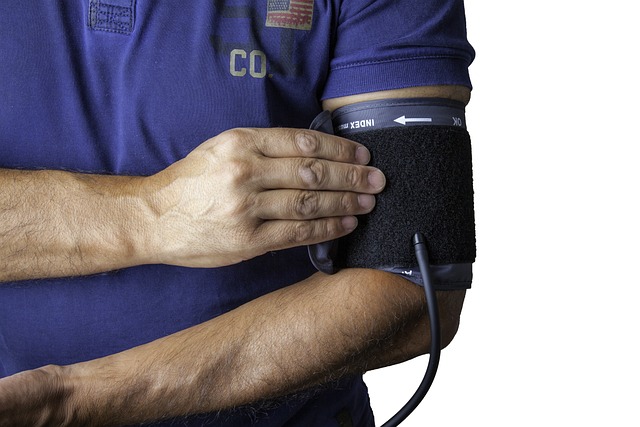
When it comes to public health reporting within the UK, compliance and confidentiality are paramount, especially when translating these reports for diverse populations or international collaboration. Translation services for UK Public Health Reports must adhere strictly to legal standards and ethical guidelines to ensure that sensitive information is handled with the utmost care. The translation process involves not only a linguistic conversion but also a cultural adaptation to preserve the original intent and meaning, ensuring that the reports remain clear, accurate, and understandable in the target language.
To maintain compliance, these translation services are often required to be certified or accredited, with translators who possess specialized knowledge in public health terminology. This expertise is crucial for the precise conveyance of complex concepts and technical jargon inherent in public health discourse. Confidentiality protocols must also be robust, with secure systems in place to protect the privacy of individuals whose data may be included in these reports. The integrity of the translation process is critical for informing public health strategies and policies, influencing healthcare decisions, and ultimately, safeguarding public well-being.
UK public health reporting relies heavily on the clarity and accuracy of its dissemination. The role of translation services in this context is pivotal, as it ensures that health information reaches a wide and diverse audience with precision and cultural relevance. This article has delved into the multifaceted nature of public health report translations, highlighting the importance of linguistic accuracy, cultural sensitivity, and technological advancements to overcome communication barriers. By addressing challenges such as audience diversity and the critical nature of data fidelity, translation services for UK Public Health Reports play a key role in shaping informed healthcare decisions and public health outcomes. As the demand for these translations grows, continuous improvement and adherence to compliance and confidentiality standards are essential to maintain the integrity of the information conveyed.